2026 Gaming Crisis & Rebirth: Ubisoft Bets on AI, Indies Reject Scale
Ubisoft cancels 7 projects and pivots to GenAI while Sandfall Interactive fights the growth mindset. Plus: Sega legend David Rosen passes at 95.
🚨 BREAKING: The Industry at a Crossroads
By ModVC Staff
Thursday, January 22, 2026 | 6:00 AM EST
If there is one theme defining the morning of January 22, 2026, it is divergence. The gaming industry is currently tearing itself in two distinct directions. On one side, we have the behemoths of the past decade—exemplified today by Ubisoft—scrambling to automate creativity amidst financial turmoil. On the other, a rising tide of AA and indie studios, led by the team behind Clair Obscur: Expedition 33, are violently rejecting the "infinite growth" doctrine that has historically governed the sector.
Combined with the passing of an industry titan and record-breaking regional revenue reports, today's news cycle paints a picture of an ecosystem in the midst of a violent metamorphosis.
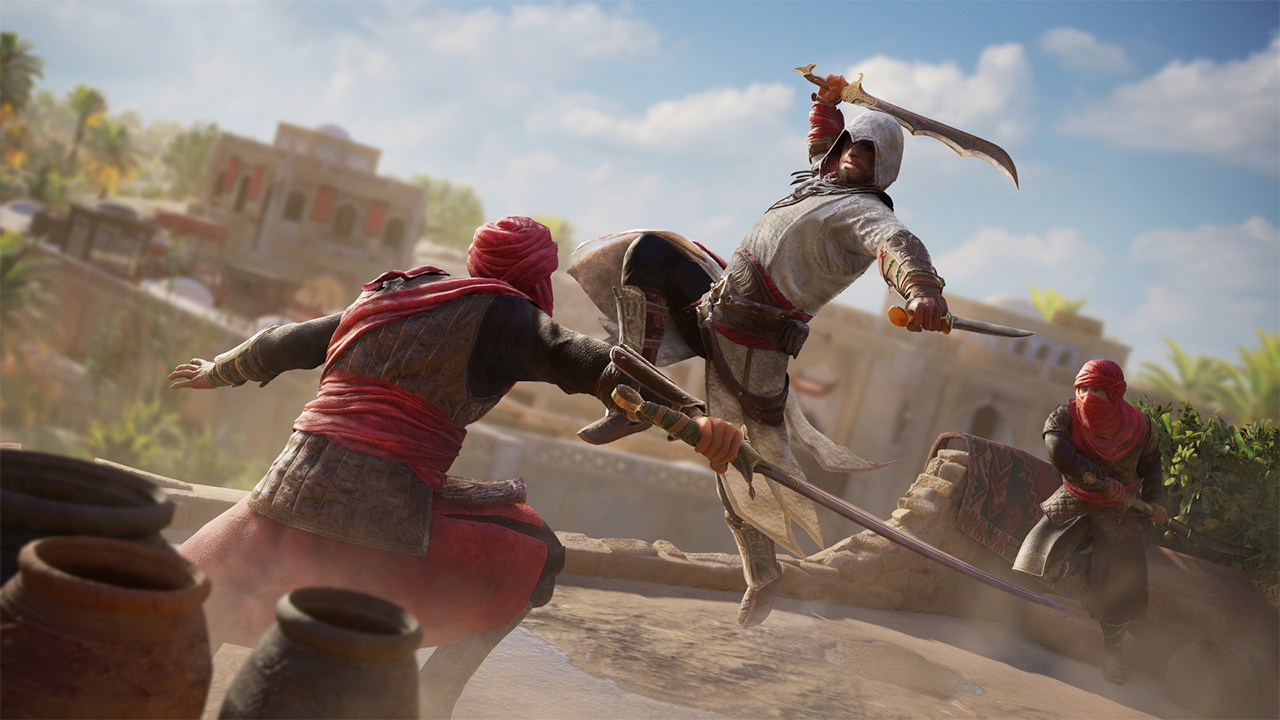 Above: Ubisoft's flagship franchises face uncertainty as the publisher restructures.
Ubisoft's desperate Pivot: Generative AI Over Human Talent?
The most shock-inducing story breaking this morning comes from Ubisoft. In a move that has sent tremors through the workforce, the publisher confirmed sweeping changes to its business model. Following a year of delayed releases and lukewarm reception to key titles, Ubisoft is initiating another round of major internal restructuring.
According to reports from PC Gamer, the publisher has confirmed the cancellation of seven unannounced projects. But the headline isn't just the cuts; it is the replacement strategy. Ubisoft is doubling down on investment into Generative AI to streamline production pipelines.
This decision comes at a time when the "Attention Economy" is straining video games more than ever. As Sportico reports, while revenue is high, gaming is losing ground in growth rate compared to other entertainment sectors, partially due to the flood of AI-generated content competing for eyeballs. Ubisoft’s strategy appears to be fighting fire with fire—attempting to increase output velocity by automating asset generation.
 Above: The industry has seen volatile employment shifts, with 2025-2026 marking significant restructuring periods.
| Ubisoft 2026 Restructuring Overview | Details |
|---|---|
| Projects Cancelled | 7 Unannounced Titles |
| Primary Strategy | Heavy investment in Generative AI pipelines |
| Workforce Impact | Confirmed layoffs (Numbers pending) |
| stated Goal | "Streamlining asset creation to meet market velocity" |
Critics argue this move risks hollowing out the creative soul of their franchises. However, investors may see it as a necessary correction for a company that has struggled to get games "out the door" efficiently in the last 24 months.
The Anti-Growth Rebellion: Sandfall Interactive
In stark contrast to Ubisoft's frantic scaling, Sandfall Interactive, the developers behind the highly anticipate Clair Obscur: Expedition 33, are making headlines for saying "No."
Despite the massive hype surrounding their turn-based RPG and offers of increased funding, the studio leads are resisting calls to "scale up." In an interview with GamesIndustry.biz, the developers insisted they "love making games more than managing."
This sentiment resonates with a growing segment of the industry that believes the "AAA" model—requires thousands of developers and hundreds of millions of dollars—is unsustainable. Sandfall's refusal to expand their headcount despite having the capital to do so is a radical act of preservation. They are prioritizing the cohesion of the team and the integrity of the product over the velocity of release.
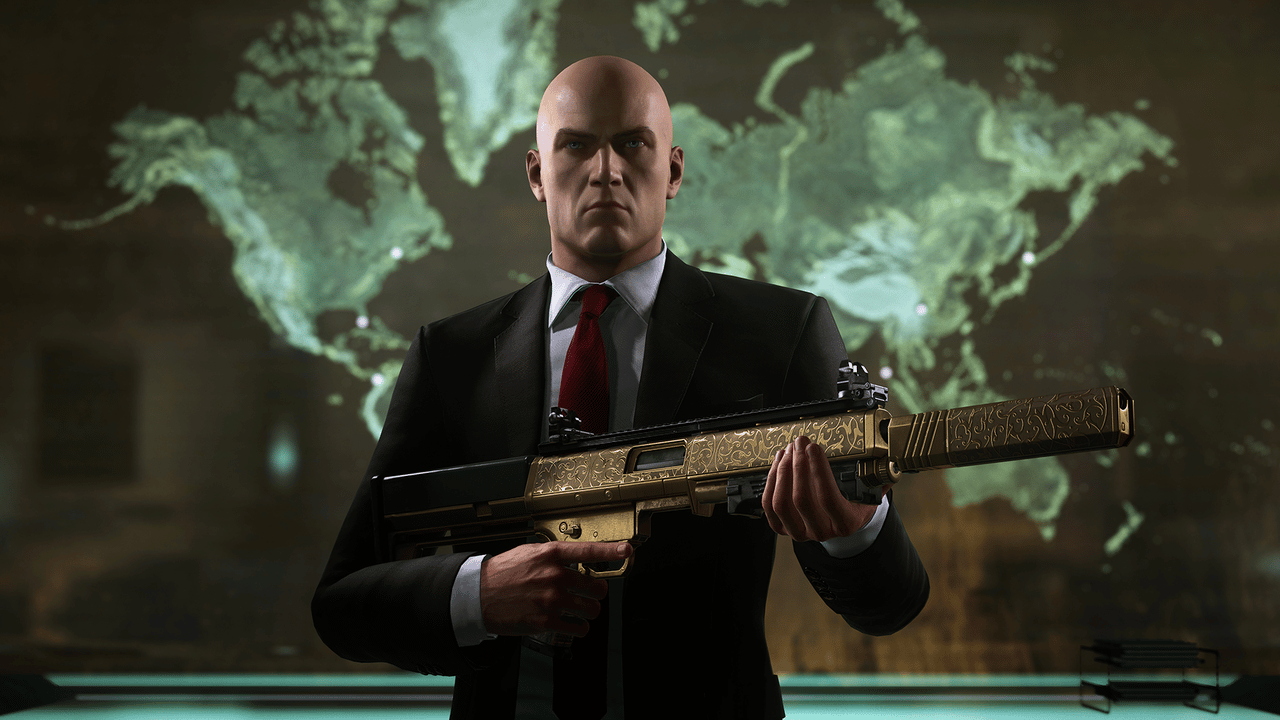 Above: The focus on single-player, narrative-driven experiences remains strong among AA studios resisting the live-service bloat.
This dichotomy—Ubisoft automating to survive vs. Sandfall restricting growth to thrive—defines the 2026 developer mindset.
Farewell to a Visionary: David Rosen (1930-2026)
The industry mourns today. David Rosen, the co-founder of Sega and a true architect of the modern gaming landscape, has passed away at the age of 95.
The New York Times memorializes Rosen as the man who transformed a humble photo booth business in Japan into the juggernaut that gave us Sonic the Hedgehog and Mortal Kombat. Rosen's influence cannot be overstated; he was instrumental in bridging the gap between American business acumen and Japanese creative design, creating a transatlantic pipeline that allowed Sega to challenge Nintendo in the 90s console wars.
Without David Rosen, the "Console Wars" that shaped the childhoods of the Millennials and Gen X—referenced in Superjump's new article "Eras: The Eight Generations of Gamers"—would likely never have happened. He leaves behind a legacy of bold risk-taking that current executives would do well to study.
Regional Powerhouses: Pennsylvania & Scotland
While individual studios face turbulence, regional gaming economies are posting staggering numbers.
Pennsylvania continues to defy expectations. Casino.org reports that the state's gaming industry set an annual revenue record in 2025, reaching nearly $6.8 Billion. This marks the fifth consecutive year of record-breaking play, driven largely by the integration of digital gaming and traditional casino floors.
Meanwhile, across the Atlantic, Scotland has unveiled an ambitious roadmap. The Scottish Games Network is targeting a valuation of over £1 billion by 2030. With hubs in Dundee and Edinburgh already punching above their weight, this government-backed strategy aims to turn Scotland into a primary European hub for game development.
| 2026 Regional Gaming Targets | Current Metric | Goal/Status |
|---|---|---|
| Pennsylvania (USA) | $6.8 Billion Rev (2025) | Record Broken (5th Consecutive Year) |
| Scotland (UK) | ~£400-500M (Est) | Target £1 Billion Value by 2030 |
| Nevada (USA) | Tax Legislation Flux | Tackling "Phantom Income" via Bipartisan Bill |
Speaking of Nevada, the Nevada Independent highlights a critical bipartisan bill tackling "phantom income" from gaming taxes. This legislation addresses the complex tax burdens placed on gaming operators regarding unrealized gains, a dry but vital topic that could save the industry millions in overhead.
 Above: Studios like Iron Galaxy continue to adapt to the shifting regional landscapes of development.
The Tech & Indie Front: Winners of 2026
Amidst the corporate shuffling, technology and indie ingenuity continue to drive engagement.
Poki, the browser gaming giant, was just awarded "Best in Business" at the Dutch Game Awards. Their secret? A developer-first approach that has driven 1 billion game plays. In an era where app stores take 30% cuts and bury titles under algorithmic piles, Poki's web-based success proves that accessibility remains king.
On the hardcore side, Gameindustry.com spotlights Dark Quest 4, a turn-based dungeon crawler that serves as a spiritual successor to HeroQuest. With 40 unique monsters and 30 quests, it represents the resurgence of "tabletop-to-screen" adaptations that respect the player's intelligence.
 Above: Hardware evolution continues as Xbox expands compatibility to ARM-based PCs, further blurring the line between console and computer.
ModVC Analysis: The "Attention" War
As we look at the "Eras" of gamers defined by Superjump, we see a demographic shift. The modern gamer is not just playing; they are consuming content across second screens, engaging with AI, and managing digital assets.
The Sportico report on the "Attention Economy Strain" is the canary in the coal mine. Video games are no longer just competing with movies; they are competing with TikTok, AI chatbots, and the sheer exhaustion of the modern consumer.
Ubisoft's pivot to AI is a reaction to this—trying to lower costs as engagement becomes harder to monopolize. Sandfall's pivot to "craft" is the opposite reaction—betting that a smaller, more passionate audience will pay for quality over quantity.
Which strategy will win 2026? We are watching closely.
🎥 Watch: Industry Perspectives
For a deeper dive into where the industry is heading this year, check out these essential watches from our partners and peers:
- IGN: Predicting The 2026 Game of the Year
- ABC News: What video gaming will look like in 2026
- GameSpot: Our 2026 Video Game Industry Predictions - Spot On
Sources:
- GamesIndustry.biz - Sandfall Interactive
- PC Gamer - Ubisoft & AI
- The New York Times - David Rosen
- Casino.org - PA Revenue
ModVC Team - Reporting on the Future of Play.