Call of Duty 2026 Exclusive to Next-Gen: What It Means for Gamers
Activision drops a bombshell—no more last-gen Call of Duty. We break down the fallout, the hype, and what’s next for the FPS juggernaut.
Call of Duty 2026 Goes Next-Gen Only: A Bold Gamble or a Step Too Far?
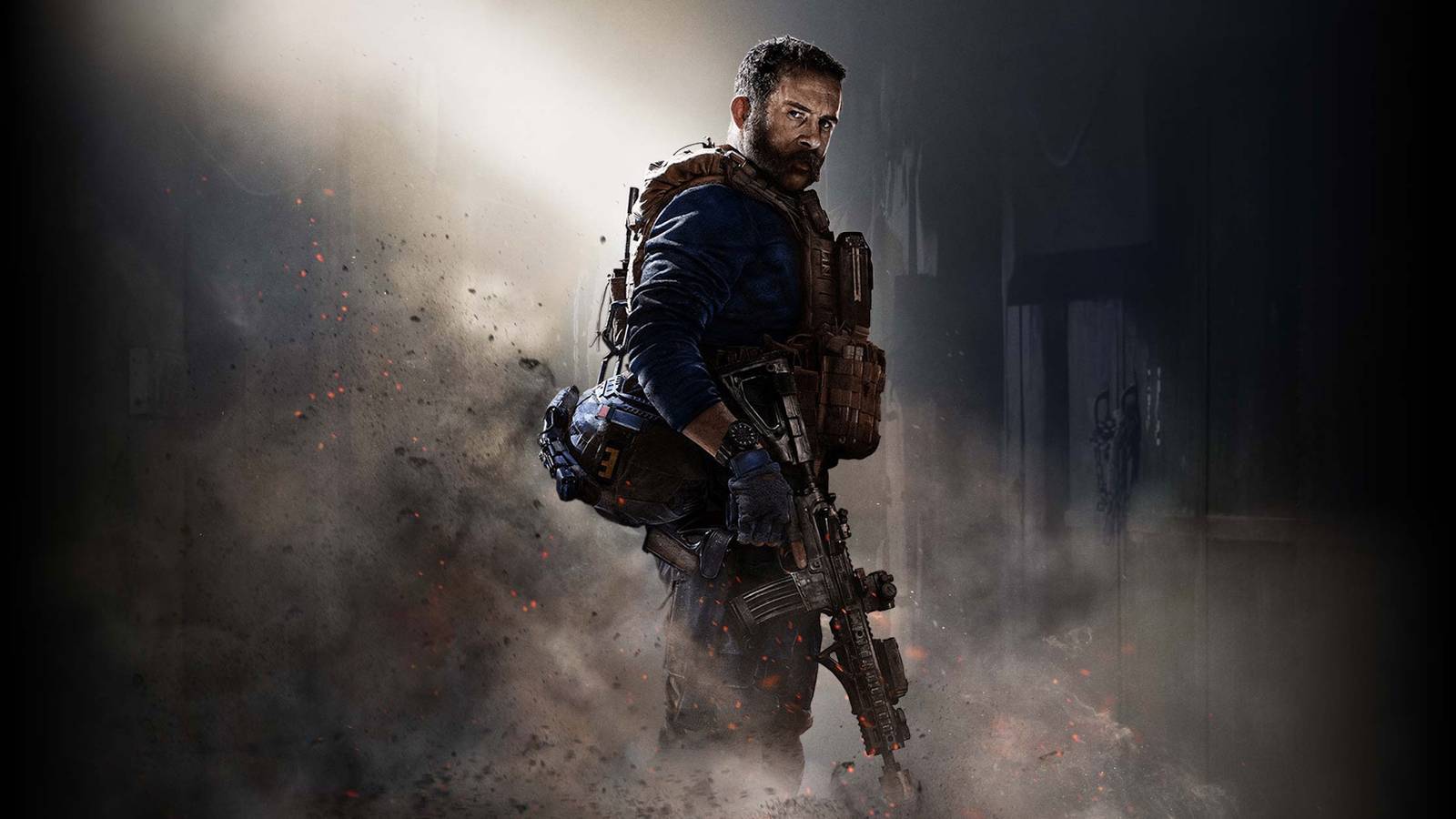
The gaming world just got rocked by an announcement that could reshape the future of one of the most dominant franchises in history. Activision has confirmed that starting in 2026, every new Call of Duty title will launch exclusively on current-generation consoles—PS5, Xbox Series X|S, and PC. The move effectively cuts off PlayStation 4 and Xbox One players from future entries, leaving up to 117 million gamers in the lurch and sparking a firestorm of debate.
This isn’t just another minor update or a routine console transition—it’s a seismic shift, and it’s happening now. So what does it mean for players, the industry, and the franchise’s legacy? Buckle up. We’re diving deep.
The Bombshell Drop: No More Last-Gen for Call of Duty
The news dropped with little warning. On a seemingly ordinary Tuesday, Activision’s official social media channels lit up with a single, cryptic line:
"Starting in 2026, Call of Duty titles will launch exclusively on PlayStation 5, Xbox Series X|S, and PC."
The brief statement sent shockwaves through the gaming community. For years, Call of Duty has been a bastion of accessibility, a franchise that prided itself on being playable on as many systems as possible. The idea of locking out an entire generation of consoles—one that still boasts millions of active players—feels like a betrayal to some, a necessary evolution to others.
The Numbers Don’t Lie
According to recent estimates, there are over 117 million active PlayStation 4 and Xbox One consoles worldwide. These players have grown accustomed to getting Call of Duty day-and-date, from Modern Warfare III to Warzone 2. Now, they’re staring down the barrel of a future where their systems are obsolete for the franchise.
The move is a stark contrast to what we’ve seen from other major franchises. Fortnite, Apex Legends, and GTA Online have all maintained cross-gen support, even long after their next-gen launches. So why is Call of Duty doing this? The reasons, as we’ll see, are a mix of hardware ambition, market strategy, and a dash of corporate risk-taking.
Why Now? The Push Toward Next-Gen
Activision’s decision isn’t arbitrary. It’s the culmination of years of planning, fueled by the belief that next-gen hardware is where the future lies—and that Call of Duty needs to be at the front of that wave.
1. Technical Limits of Last-Gen
Last-gen consoles—the PS4 and Xbox One—are seven years old. Even with upgraded variants like the PS4 Pro and Xbox One X, their hardware is woefully outdated compared to the PS5 and Xbox Series X|S. The jump to 4K resolution, 120Hz refresh rates, and advanced ray-tracing isn’t just a nicety; it’s a necessity for modern shooters.
Call of Duty has always been a visual powerhouse, and Activision is clearly betting that next-gen fidelity will elevate the experience in ways last-gen simply can’t match. Imagine the chaos of Modern Warfare IV with 120Hz ultrawide support, RTX path-traced lighting, and near-instant load times. That’s the future Activision wants to sell.
2. FPS and Performance: The Next Leap Forward
For competitive players, frame rate consistency is everything. The PS5 and Series X|S can reliably hit 240Hz in multiplayer modes with proper optimization, while last-gen consoles top out around 60Hz (often with capped frame rates or visual sacrifices).
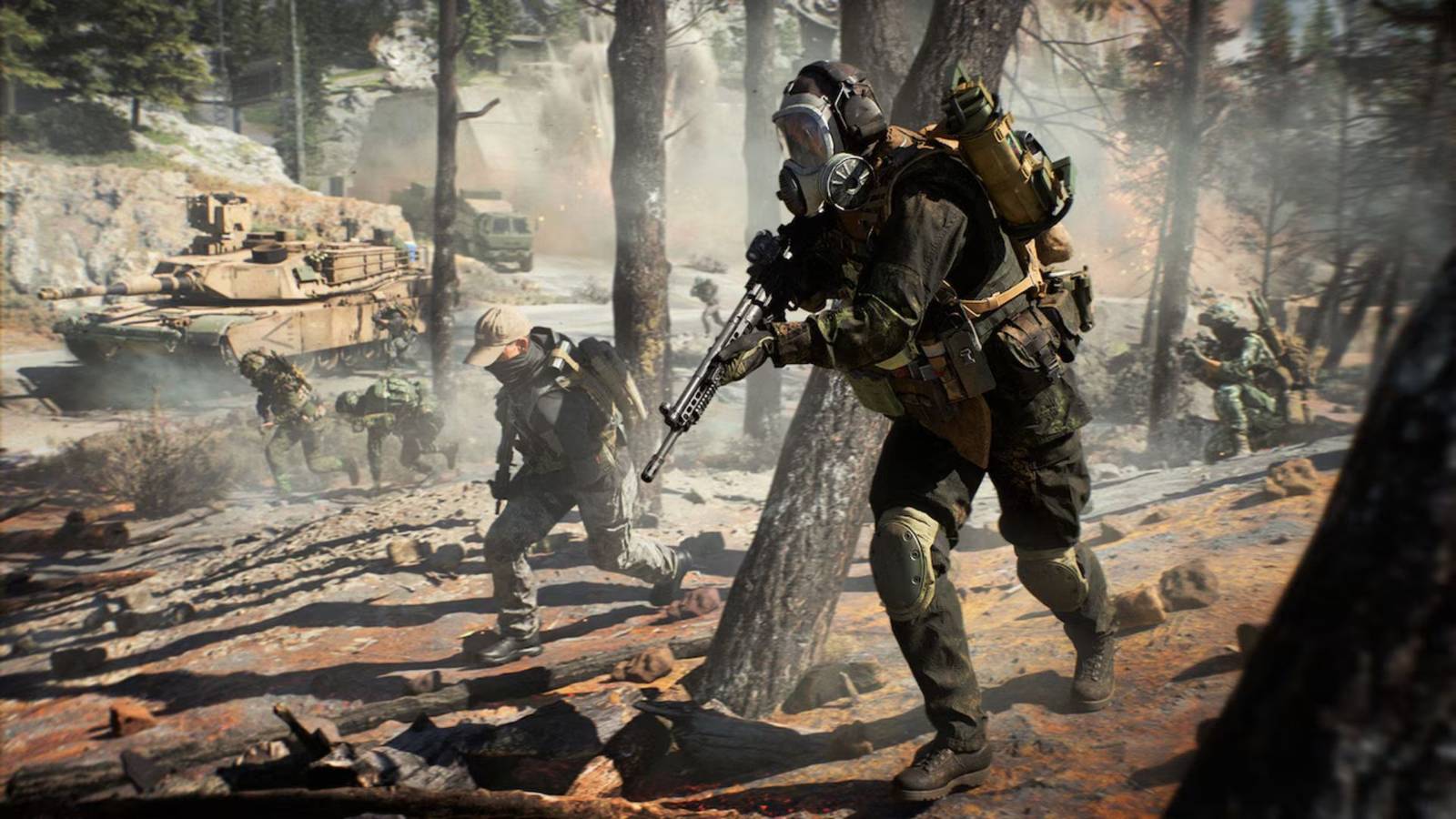
This isn’t just about pretty graphics—it’s about who gets to compete at the highest level. Pro players, streamers, and content creators will migrate to the faster, smoother next-gen experience, leaving last-gen players in the dust. Activision’s decision ensures that Call of Duty remains the gold standard for competitive FPS gaming.
3. Monetization and Margins
Let’s be real: this is also about money. Developing a single version of Call of Duty for next-gen platforms is cheaper and more efficient than juggling last-gen and current-gen code. Fewer versions mean fewer bugs, faster patches, and a more streamlined development cycle.
Plus, with next-gen consoles selling at a premium, Activision can afford to price their games higher—knowing that players who’ve invested in top-tier hardware will be willing to pay for the best experience. It’s a calculated move to maximize revenue in a market where growth is slowing.
The Backlash: Why Some Players Are Furious
Not everyone is celebrating this change. The gaming community thrives on inclusivity, and Activision’s decision feels like a middle finger to millions of loyal players. Here’s why the reaction has been so heated:
The Cost of Exclusion
For many, Call of Duty isn’t just a game—it’s a cultural touchstone. Families, friends, and communities have built decades of memories around split-screen campaigns, LAN parties, and longtime online rivalries. The idea that those experiences could be locked behind a hardware barrier is painful.
- Multiplayer friend groups will fracture as some upgrade and others don’t.
- Esports scenes on last-gen could become second-class citizens.
- Charity and community events tied to Call of Duty (like Military Appreciation Month) will now exclude a massive portion of the audience.
The “Corporate Greed” Narrative
Critics are framing this as a naked cash grab. Why force players to buy new hardware when they could simply patch the game to run on last-gen? The answer likely lies in publisher pressure—Activision’s parent company, Microsoft, has been pushing aggressively for next-gen adoption ever since its acquisition of Activision Blizzard.
And let’s not forget: Microsoft owns Xbox, and locking Call of Duty to its own hardware (and Sony’s) ensures that players have no choice but to invest in Series X|S if they want to keep playing.
Exclusivity vs. Accessibility
This move flies in the face of long-standing industry trends. Games like Fortnite, Rocket League, and Apex Legends have thrived precisely because they remain accessible to players on any hardware. Call of Duty’s shift risks alienating casual players who don’t have the budget or desire to upgrade.
The Fanbase Divided: Who Wins and Who Loses?
✅ The Winners: Next-Gen Players and Content Creators
If you’ve got a PS5, Xbox Series X|S, or a high-end PC, this is music to your ears. You’re getting:
- Buttery-smooth 4K/120Hz gameplay in multiplayer.
- Ray-traced shadows and reflections that make firefights feel more immersive.
- Faster load times that keep you in the action longer.
- Exclusive next-gen features, like haptic feedback on the DualSense or Auto HDR on Series X.
For streamers and esports pros, this is a no-brainer. The competitive edge alone makes upgrading worthwhile.
❌ The Losers: Last-Gen Holdouts and Budget Players
If you’re still rocking a PS4 or Xbox One, your options are suddenly limited:
- You can’t play the new Call of Duty without upgrading.
- Your multiplayer friends might leave you behind as they migrate to next-gen.
- Charity events and community tournaments tied to Call of Duty could exclude you.
For players in regions where next-gen hardware is expensive or hard to find, this feels like an unnecessary barrier.
The Competitive Landscape: Call of Duty vs. the World
Call of Duty isn’t the only FPS in town, and its next-gen-only strategy puts it in direct competition with other major franchises. How does it stack up?
| Franchise | Next-Gen Support | Last-Gen Support | Key Advantages |
|---|---|---|---|
| Call of Duty | ✅ Yes (2026+) | ❌ No | Unmatched multiplayer, deep esports ecosystem |
| Battlefield | ✅ Yes | ✅ Yes | Large-scale warfare, power fantasy |
| Halo | ✅ Yes | ✅ Yes | Smoother campaign focus, Xbox exclusivity |
| Overwatch 2 | ✅ Yes | ✅ Yes | Hero shooter dominance, cross-platform play |
| Apex Legends | ✅ Yes | ✅ Yes | Free-to-play, ever-evolving meta |
Call of Duty’s strategy is a gamble. By cutting off last-gen, it risks losing players to competitors who remain accessible. But if it can deliver a next-gen experience so compelling that players flock to PS5 and Series X|S, it could solidify its dominance for another generation.
The Military Appreciation Month Gambit
Amid the controversy, Activision hasn’t been idle. To soften the blow, the company has launched a Military Appreciation Month campaign, tied to the Call of Duty Endowment. The initiative includes:
- Exclusive in-game packs with proceeds supporting veterans.
- Charity streams featuring pro players and content creators.
- Special events in Call of Duty: Warzone and Modern Warfare III.
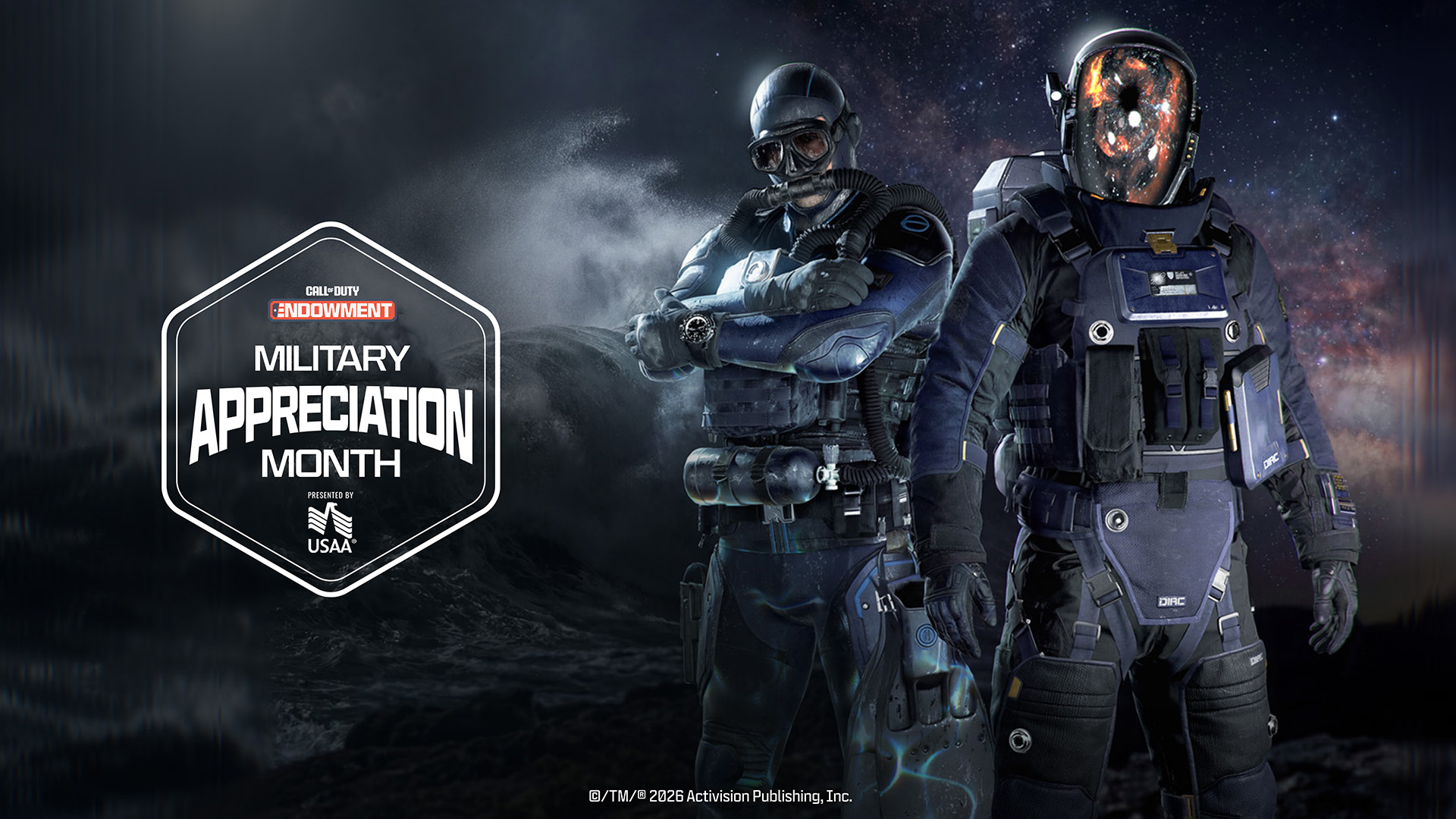
It’s a clever PR move—aligning the next-gen exclusivity with a noble cause to distract from the player backlash. But for many, it feels like a hollow gesture. The heart of the issue remains: Activision is leaving millions of players behind.
The Leaks and the Hype: What’s Next for Modern Warfare IV?
While the next-gen announcement dominates headlines, the gaming community hasn’t stopped speculating about Call of Duty’s next big reveal. Rumors of Modern Warfare IV have been swirling for months, with leaks suggesting:
- A brand-new engine optimized for next-gen hardware.
- Recolored maps from past titles, reimagined with modern lighting and effects.
- A revamped movement system, potentially borrowing from Apex Legends or Fortnite.
Activision has been quick to mock fake leaks, fueling theories that they’re planting disinformation to keep the community guessing. Whether it’s Modern Warfare IV, Black Ops IV, or something entirely new, one thing’s certain: 2026 is set to be a massive year for Call of Duty.
The Big Question: Is This the Right Move?
At the end of the day, Activision’s decision boils down to risk vs. reward.
The Upside
- Higher profits from next-gen sales.
- Better performance and visuals for competitive players.
- Stronger esports ecosystem with consistent, high-frame-rate gameplay.
- Future-proofing as last-gen hardware fades into irrelevance.
The Downside
- Massive player backlash, especially from communities and charities.
- Potential loss of casual players who don’t upgrade.
- Competitors gaining ground by remaining accessible.
- Long-term brand loyalty erosion if players feel abandoned.
History suggests that exclusivity rarely pays off in the long run. Games like Halo: Combat Evolved thrived because they were accessible, not because they locked players out. By contrast, The Last of Us Part II’s PS4 exclusivity hurt its reach, even if its quality was undeniable.
The Call of Duty Challengers: A Glimpse Into the Future
While the controversy rages, the competitive scene for Call of Duty is as vibrant as ever. The Call of Duty Challengers 2026 Elite Series 3 Playoffs just wrapped up, showcasing the next generation of pro players and strategies.
With next-gen support locking in, we’re likely to see a new wave of pros emerge—players who cut their teeth on 120Hz ultrawide setups and RTX lighting. The shift could redefine competitive FPS gaming as we know it.
Final Verdict: A Bold Gamble with High Stakes
Activision’s decision to go next-gen-only with Call of Duty in 2026 is either a stroke of genius or a colossal mistake—and the jury’s still out.
Who Benefits?
✔ Next-gen players get a superior experience. ✔ Activision and Microsoft lock in hardware sales and revenue. ✔ Competitive and esports scenes get a more level playing field.
Who Loses?
✖ Last-gen players are left in the cold. ✖ Casual and budget-conscious gamers may turn to alternatives. ✖ Community events and charities tied to Call of Duty face exclusion.
What’s Next?
The real test will come when the first next-gen Call of Duty title drops in 2026. If it delivers a knockout experience—smoother, prettier, and more competitive than ever—players may forgive the exclusivity. But if the community fractures and frustration grows, Activision could find itself in a PR nightmare.
One thing’s for sure: Call of Duty isn’t just a game anymore. It’s a statement. And whether that statement is a masterpiece or a misfire depends on who you ask.
The Bottom Line: Upgrade or Sit This One Out?
If you’re a die-hard Call of Duty fan, the choice is clear: start saving for a PS5, Series X|S, or a new gaming PC. The future of the franchise is next-gen, and resistance might not be futile—it might just leave you behind.
For the rest? Time to pick your battles. The FPS landscape is changing, and Call of Duty is leading the charge—whether we like it or not.
What do you think? Is Activision making the right call, or is this a step too far? Sound off in the comments—and check out our breakdown of Battlefield 6’s final Season 2 update below for a glimpse at how other shooters are handling the next-gen transition.
🔥 Battlefield 6’s May 2026 Update: A Last Hurrah Before Season 3
While Call of Duty makes its next-gen leap, Battlefield 6 is wrapping up its second season with a final update for May 2026. The patch focuses on quality-of-life improvements, including:
- Faster matchmaking times in Battle Royale modes.
- New weapon skins inspired by classic Battlefield designs.
- Bug fixes for desync issues in Conquest.
With Season 3 on the horizon, Battlefield 6 is setting the stage for what could be a major content drop—perhaps even a return to iconic maps or a new faction system. Stay tuned.
🎮 What’s Hot in Xbox Game Pass for May 2026?
If you’re looking for alternatives to Call of Duty’s next-gen exclusivity, Xbox Game Pass has you covered this month. Here are the standout titles rolling out:
| Game | Genre | Why It’s Worth Your Time |
|---|---|---|
| Forza Horizon 6 | Racing | Open-world driving with next-gen visuals |
| Mixtape | Rhythm | A fresh take on music games |
| Subnautica 2 | Survival | Deep-sea exploration meets horror |
For just $9.99/month, Game Pass remains one of the best deals in gaming—especially with Microsoft’s push for next-gen dominance.
📢 Final Thoughts: The Future of Call of Duty
Activision’s next-gen-only strategy for Call of Duty is a high-risk, high-reward play that could redefine the franchise—or fracture its fanbase for good. One thing’s certain: the FPS genre isn’t slowing down, and the battle for supremacy is only heating up.
Will Call of Duty’s next-gen gamble pay off? Will players embrace the change, or will they abandon ship for greener pastures? Only time will tell—but one thing’s for sure: we’ll be watching closely.
Stay tuned to ModVC for the latest updates, leaks, and deep dives into the world of Call of Duty. The next chapter is just beginning.