Indie Games 2026: The Year Small Studios Conquered the Industry, Switch 2 Launch Titles, and the Rise of the Global Market
As AAA development cycles stall, 2026 triggers a new Golden Age for indie gaming. We analyze the viral success of LavaLamp, Korea's massive dev investment, and the Switch 2 indie lineup.
Indie Games 2026: The Year Small Studios Conquered the Industry
Published: January 14, 2026 | Reading time: 18 min
The calendar has barely flipped to 2026, and the narrative of the gaming industry is already shifting beneath our feet. While major AAA publishers continue to wrestle with ballooning budgets and five-year development cycles, the independent sector has hit the ground running with a velocity we haven't seen since the early 2010s. From the viral explosion of LavaLamp on Steam to the geopolitical shifts in game development funding out of South Korea, January has proven that the "Year of the Indie" isn't just a marketing slogan—it's an economic reality.
Executive Summary
For those catching up on the rapid-fire developments of the first two weeks of 2026, here is the state of play:
- The Viral Phenomenon: The free-to-play indie title LavaLamp has dominated Steam charts post-release, proving that visual distinctiveness still trumps marketing budgets.
- Xbox's Strategic Pivot: Xbox Wire has officially launched "Indie Selects" for January, signaling a continued reliance on Game Pass indie day-one launches to fill gaps between first-party blockbusters.
- The Asian Expansion: A groundbreaking report from IndieGame.com highlights South Korea's 12 Global Game Centers (GGC) as a state-sponsored engine for indie growth, while Japanese market data suggests "otaku" culture is shifting heavily toward indie consumption.
- Hardware Catalysts: The looming shadow of the Nintendo Switch 2 is driving a renaissance in pixel-art and 2.5D development, with titles like Mina the Hollower and Little Kitty, Big City updates taking center stage.
- AAA Fatigue: Sentiment analysis from late 2025 through early 2026 indicates a growing player migration away from "live service" AAA titles toward finite, crafted indie experiences.
The Breaking Story
It is January 14, 2026. The industry is currently digesting a massive influx of news that suggests a redistribution of power in the gaming ecosystem. The story isn't just about "good games"; it's about a structural change in how games are funded, discovered, and consumed.
The "Indie Selects" Initiative & Xbox's Gambit
Just six days ago, Xbox Wire dropped a significant update regarding their content strategy. Historically, late November and December are dead zones for indie releases, often buried under the avalanche of holiday blockbusters. However, Xbox has pivoted. Their "Indie Selects for January" campaign is a deliberate attempt to level the playing field.
This isn't merely a curation list; it's a statement of intent. By highlighting these titles, Microsoft is acknowledging that engagement on Game Pass is increasingly driven by smaller, stickier experiences rather than just the tentpole franchises. This aligns with the September 2025 sentiment from Windows Central, where critics noted that their favorite experiences were exclusively indie, questioning if AAA publishers had "completely lost the plot."
The Korean & Japanese Surge
The most fascinating development of the week comes from the East. A report released just 9 hours ago by IndieGame.com details South Korea's "Secret Weapon": the 12 Global Game Centers (GGC). Unlike the Western model, which relies heavily on venture capital or publisher grants (like Annapurna or Devolver), the Korean model is state-supported infrastructure.
These centers provide office space, hardware, and localization support for developers with "small budgets but big dreams." The impact is already being felt globally, with Korean indie titles displaying a level of polish that rivals AA studios. Simultaneously, AUTOMATON reported five days ago on a Yano Institute survey indicating that indie games have the highest growth potential in the Japanese "otaku market" for 2026. This is a seismic shift; the "otaku" demographic has traditionally been loyal to established franchises (RPGs, Visual Novels). Their migration to indie titles suggests that independent developers are now better at serving niche interests than the major Japanese publishers.
Key Developments: January 2026
| Development | Source | Impact Level | Market Implication |
|---|---|---|---|
| Xbox Indie Selects | Xbox Wire | High | Validates Game Pass as an "Indie Discovery Engine" rather than just a rental service. |
| Korea's 12 GGCs | IndieGame.com | Critical | Floods the market with high-fidelity, government-subsidized indie titles, raising the quality bar. |
| LavaLamp Viral Hit | Notebookcheck | Moderate | Reaffirms that "Free-to-Play" works for artistic indies, not just predatory mobile games. |
| Switch 2 Indie World | Nintendo/Polygon | High | Confirms the next-gen Nintendo hardware will maintain the Switch's status as the "Indie Home." |
🎥 Video Coverage
Visuals are everything in the indie space. The following video essays and showcases have been instrumental in shaping the discourse for the 2026 roadmap. These creators have highlighted titles that are flying under the radar of mainstream outlets.
The Definitive 2026 Forecast
Indie Games Hub has compiled what is widely considered the bible for this year's releases. Their breakdown of 50 titles showcases the graphical diversity of the current engine landscape, from Godot to Unreal Engine 5.
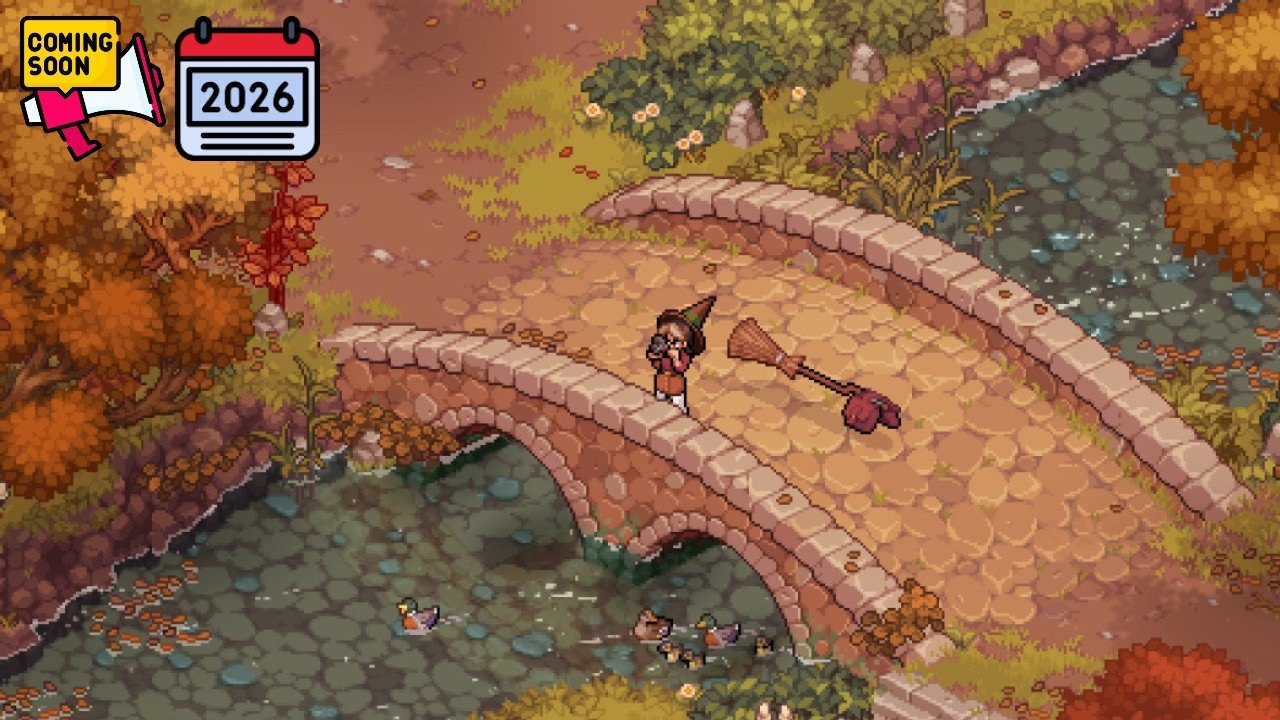
Watch: "Top 50 New Indie Games Coming in 2026" - Indie Games Hub
The Hype Cycle
For a more high-octane look at titles expected to "explode"—meaning those likely to hit viral status similar to Lethal Company or Palworld—ENFANT TERRIBLE's showcase is essential viewing. It focuses heavily on graphical fidelity and atmosphere.
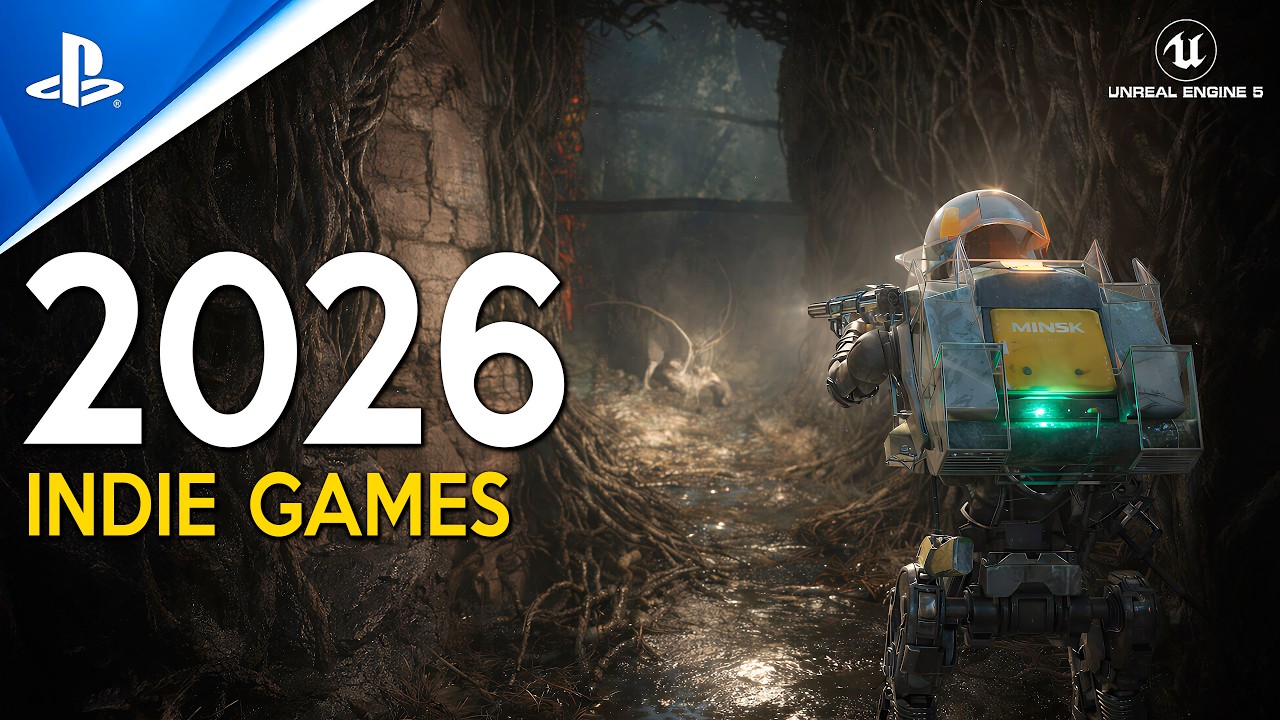
Watch: "ALL INDIE GAMES that will EXPLODE in 2026" - ENFANT TERRIBLE
The January Drop
Need to know what to play right now? This breakdown covers the immediate releases that are benefiting from the Xbox and Steam visibility boosts discussed earlier.
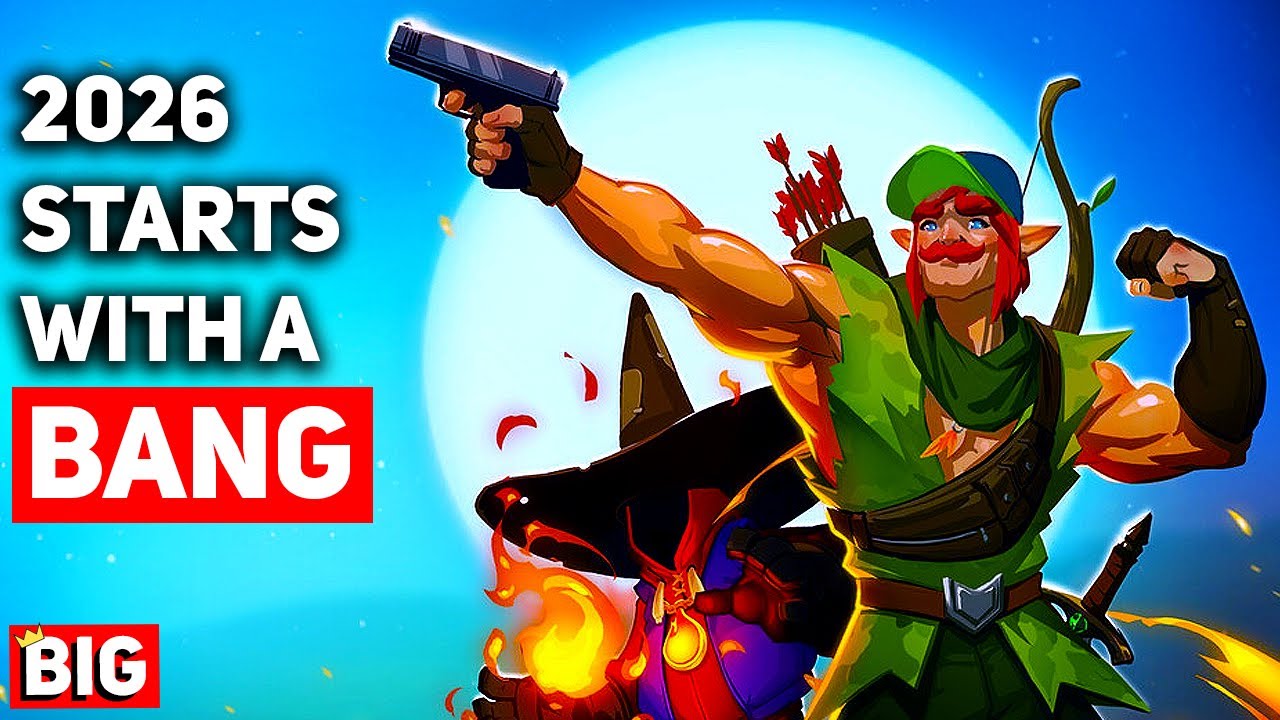
Watch: "Top 25 Upcoming NEW Indie Games of January 2026" - Best Indie Games
🐦 Social Media Buzz
The conversation on X (formerly Twitter) reflects a community that is simultaneously excited about the games and cynical about the industry's gatekeepers. The sentiment is clear: players trust individual curators more than storefront algorithms.
What Twitter/X Is Saying
The Curator's Dilemma Visibility remains the number one killer of indie dreams. As noted by user 4Scarrs_Gaming, the ecosystem is crowded, and success is often determined by access rather than quality alone.
"Indie games don't break through by accident. In 2026, visibility still comes down to access, trust, and who gets invited into the biggest..." — @4Scarrs_Gaming
The List Wars Major outlets and influencers are currently battling to define the "canon" of 2026. GameSpot's recent list highlights the sheer volume of quality titles.
"35 Best Indie Games To Play In 2026. 33 Best Indie Games To Play In 2025." — @GameSpot
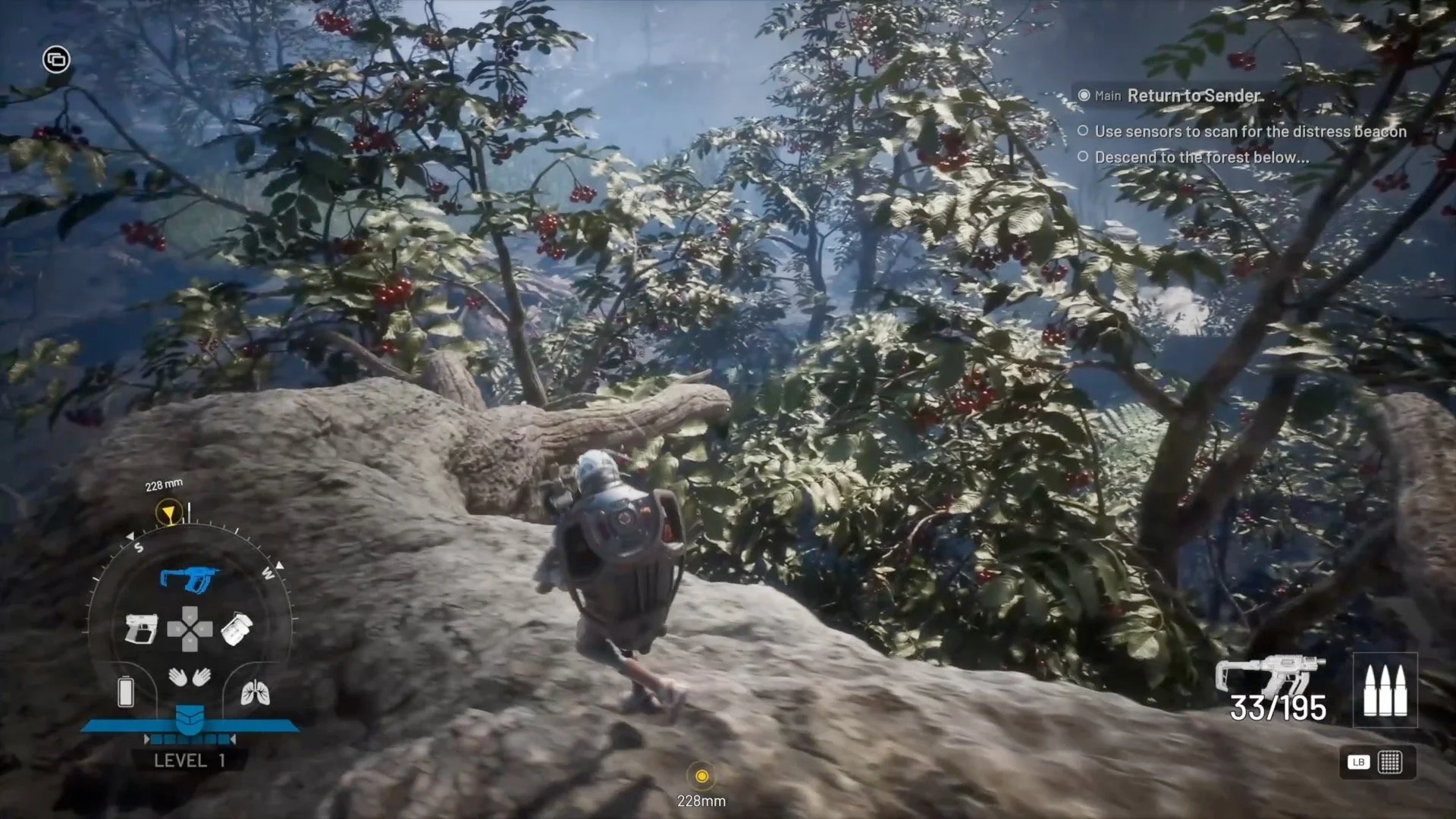
Specific Titles Getting Traction ConsoleCreature has pinpointed a few titles that are appearing on almost everyone's radar, specifically Mina the Hollower and ABYSS X Zero, suggesting a strong year for action-adventure.
"10 Indie Games To Keep An Eye On In 2026 - From Neverway to Mina the Hollower to ABYSS X Zero" — @ConsoleCreature
Industry Expert Analysis
As someone who has covered the rise, fall, and resurgence of indie development for over a decade, 2026 feels distinct. We are witnessing the maturation of the "middle market" (or Triple-I). These are games that technically fall under the indie banner but possess production values that mock the definition.
The "Switch 2" Effect
The elephant in the room is the Nintendo Switch 2. While Nintendo has been characteristically secretive, the Polygon and Nintendo reports from late 2025 regarding the Indie World showcase confirmed that developers are already targeting the new hardware. Titles like Mina the Hollower from Yacht Club Games are not just retro throwbacks; they are utilizing modern engine architecture that requires more juice than the original Switch can provide comfortably at 60fps.
The Death of the "Genre"
Another trend cementing itself in 2026 is the blending of mechanics. We aren't just seeing "platformers" or "shooters." We are seeing "Deckbuilding Roguelike Dating Sims" and "Cozy Horror Farming." This hybridization is necessary for survival. In a market flooded with thousands of games per month, being a "good platformer" isn't enough. You need a hook.
Platform Comparison: Where Indies Live in 2026
| Feature | PC (Steam/Epic) | Xbox (Game Pass) | Nintendo (Switch/Switch 2) | PlayStation 5/Pro |
|---|---|---|---|---|
| Discovery | Low (Algorithm dependent) | High (Curated via "Indie Selects") | High (Indie World Showcases) | Moderate |
| Monetization | Sales volume driven | Flat fee/Usage (Subscription) | Premium pricing power | Sales driven |
| Dev Barrier | Lowest | Moderate (Cert required) | Moderate to High (Dev kits) | High |
| Key 2026 Titles | LavaLamp, UFO 50 | Dragontwin, Neverway | Mina the Hollower, Little Kitty | Fairy Tail: Dungeons |
Community Reactions
The player base is currently in a state of "joyful overwhelm." The backlog anxiety is real, but the sentiment is overwhelmingly positive compared to the toxicity often surrounding AAA patch cultures.
The LavaLamp Phenomenon
LavaLamp, the free indie title mentioned by Notebookcheck, has become the case study for January. Players on Reddit and Steam are praising its "trippy visuals" and lack of predatory microtransactions. It represents a return to the "Flash Game" era ethos—making a game simply because it's a cool idea.
Reddit Highlights
"I haven't touched my $70 copy of [Redacted AAA Shooter] since LavaLamp dropped. It's just... fun. Remember fun?"
"The roadmap for Game Pass this year is insane. I was going to cancel, but then they showed Dragontwin and the new updates for Little Kitty, Big City."
Technical Deep Dive
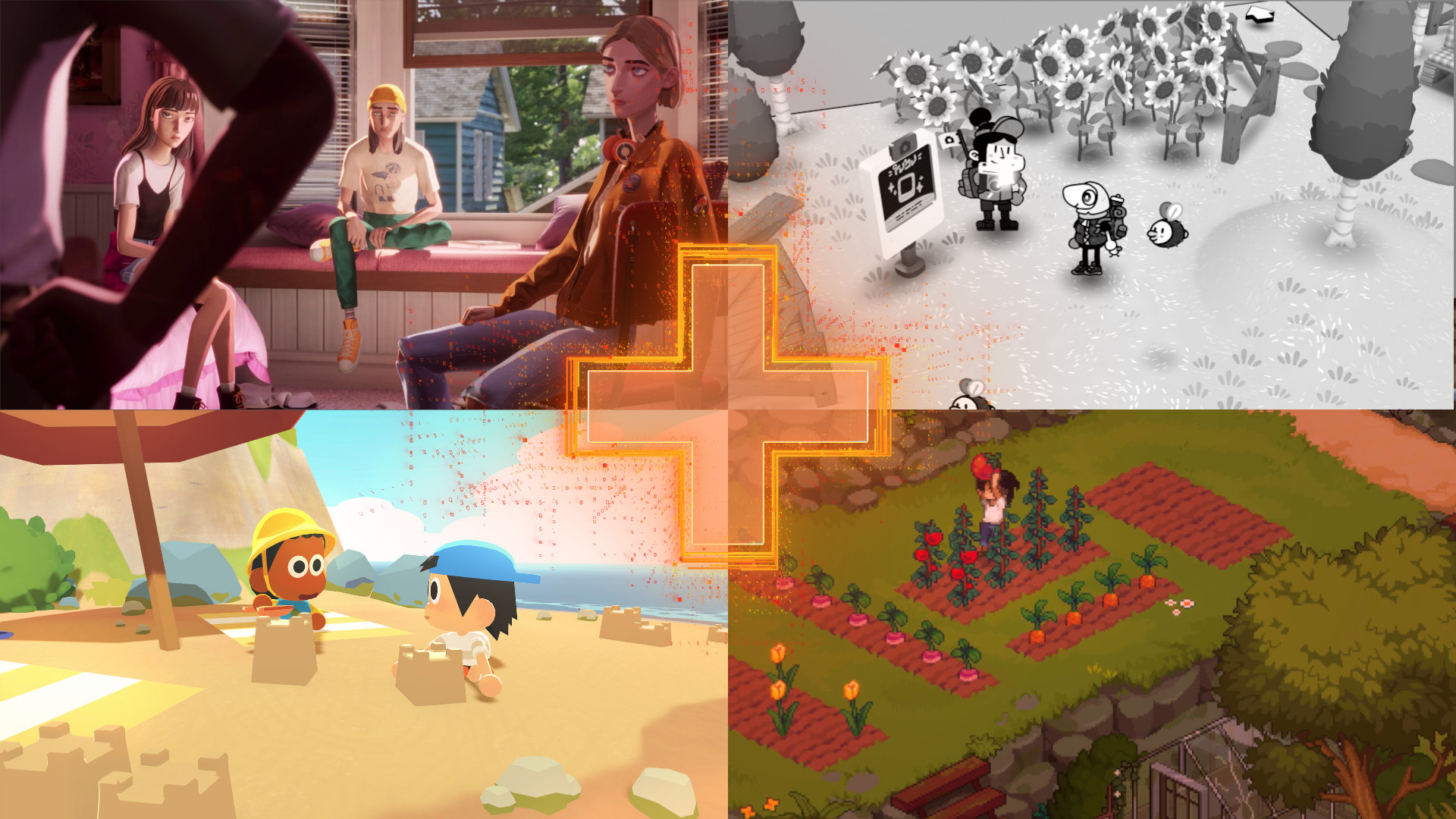
The technical ceiling for indie games has been shattered. In 2026, we are seeing small teams utilize Unreal Engine 5.4 and Godot 4.x to achieve results that required teams of 200 people just five years ago.
The Rise of Nanite and Lumen in Indie Dev
While pixel art remains a staple, 2026 is the year of "High-Fidelity Indie." Games like Dragontwin (showcased in the Indie Games Hub video) are utilizing dynamic lighting systems that were previously exclusive to heavy hitters. This is democratized technology in action. However, this comes at a cost: optimization.
Performance Stats: The Optimization Gap
We are seeing a divergence in performance profiles. 2D games are running flawlessly at 120Hz, while the new wave of 3D indies is struggling to hit stable framerates on older consoles, pushing the necessity for the Switch 2 and PS5 Pro.
| Game Type | Target Resolution (Console) | Target FPS | Engine Trend | Key Tech |
|---|---|---|---|---|
| Pixel Art (e.g., Mina) | 4K (Upscaled) | 120 | Custom / Godot | CRT Filters, Low Latency |
| 3D Stylized (e.g., Little Kitty) | 1440p | 60 | Unity 6 | Physics Interactions |
| High-Fidelity 3D (e.g., Dragontwin) | 1080p - 1440p (Dynamic) | 30-60 | Unreal 5 | Lumen Lighting, Nanite |
What's Coming Next
Looking ahead to the rest of Q1 and Q2 2026, the calendar is packed. The "Indie World" showcase from August 2025 set the stage, but we are now approaching the release windows for those promised titles.

The "Cozy" Pivot
Expect a second wave of "Cozy Games" hitting in Spring. Little Kitty, Big City is receiving a major free content update, keeping the momentum alive. The success of these titles proves that high-stress combat isn't the only way to retain players.
Timeline: The Road to Summer
| Date Window | Expected Event/Release | Significance | Source |
|---|---|---|---|
| Late Jan 2026 | Fairy Tail: Dungeons (Switch) | Anime/Indie crossover appeal | Crunchyroll |
| Feb 2026 | Steam Next Fest | The biggest demo event of the year | Historical Data |
| Q1 2026 | Mina the Hollower Launch | Yacht Club Games' next flagship | Nintendo |
| Q2 2026 | Switch 2 Launch Window (Rumored) | Hardware launch for next-gen indies | Industry Analysis |
Final Thoughts
As we stand in January 2026, the contrast between the AAA and Indie sectors has never been sharper. While the giants of the industry retrench, restructure, and rely on remakes, the indie scene is exploding with creativity, aided by better tools, government support in Asia, and platform holders desperate for content to fill their subscription services.
Titles like LavaLamp, Mina the Hollower, and the myriad of games emerging from Korea's Global Game Centers are not just "filler"—they are the main event. If you are a gamer in 2026, your backlog is about to get a lot bigger, and for the first time in years, it won't cost you $70 a pop to fill it.
Sources & References
- Xbox Wire: This Year, We’re Leveling Up with Indie Games
- IndieGame.com: Korea’s 12 Global Game Centers
- Notebookcheck: Free indie game LavaLamp trending on Steam
- AUTOMATON: Indie games growth in Japanese otaku market
- Nintendo: New Indie World Showcase
- Windows Central: AAA publishers lost the plot?
- Crunchyroll: Fairy Tail: Dungeons Release
- Twitter/X: @GameSpot, @ConsoleCreature, @Cressup, @4Scarrs_Gaming
Follow us for more gaming news. Share your thoughts in the comments below! https://pub-8a3c4514ecbd473abdb5b92645933a3d.r2.dev/Indie_Funding_Tech_Erases_the_AAA_Line.m4a