The 2026 RAM Crisis: Why DDR5 Prices Are Skyrocketing and What It Means for Consumers
As of January 2026, the PC building community is facing a full-blown **RAM crisis**. DDR5 memory prices have exploded—many kits now cost **3–4 times** what they
The 2026 RAM Crisis: Why DDR5 Prices Are Skyrocketing and What It Means for Consumers
As of January 2026, the PC building community is facing a full-blown RAM crisis. DDR5 memory prices have exploded—many kits now cost 3–4 times what they did just months ago in mid-2025. A standard 32GB (2x16GB) DDR5-6000 kit that was $80–$100 is now routinely $300–$400, with warnings that prices could hit $500+ by mid-year. This isn't a temporary blip; it's a structural shift driven by the AI boom, supply constraints, and manufacturer priorities.

Typical DDR5 RAM kit – once affordable, now a luxury item in 2026
(Source: Amazon/Crucial)
The crisis affects not just PCs but laptops, smartphones, and servers. Manufacturers are warning of continued increases throughout 2026, with no real relief until 2027–2028. Let's break down why this is happening, how severe it is, current prices, impacts, and what you can do.
The Root Cause: AI's Insatiable Demand for High-Bandwidth Memory (HBM)
The primary driver is the explosive growth of AI data centers. Modern AI accelerators (like NVIDIA's Blackwell GPUs, AMD, Google TPUs) require massive amounts of High-Bandwidth Memory (HBM)—specialized, stacked DRAM that delivers far higher bandwidth than standard DDR5.
HBM production shares the same advanced manufacturing lines and materials as consumer DDR5 DRAM. But HBM is far more profitable—margins are huge due to AI hype and limited supply.
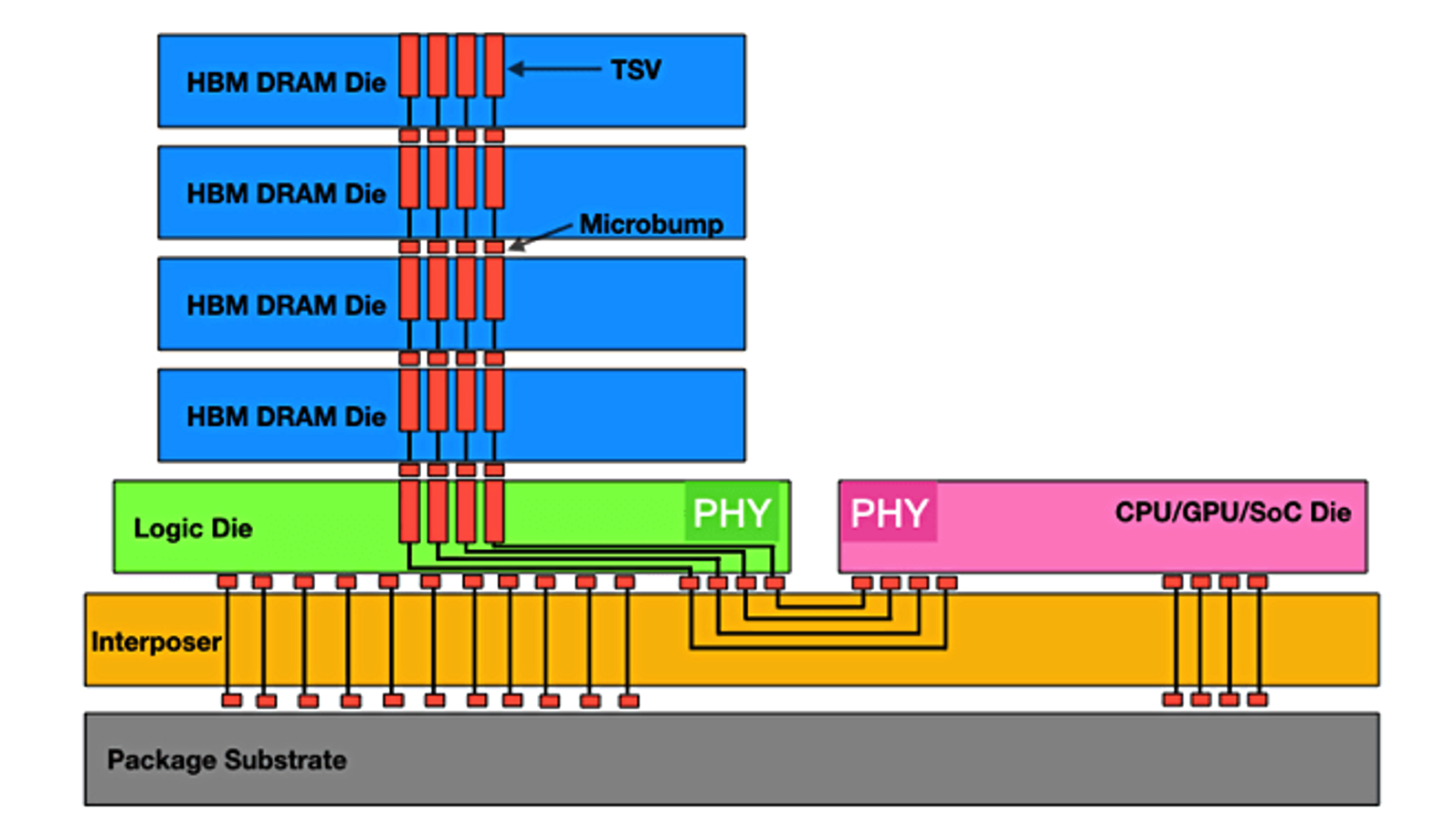
HBM stack – the ultra-expensive memory powering AI that’s starving DDR5 supply
(Source: Semiconductor Engineering)
The "Big Three" DRAM makers—Samsung, SK Hynix, and Micron—have shifted production capacity heavily toward HBM:
- SK Hynix and Samsung are selling out HBM for years ahead to NVIDIA and others.
- Analysts predict HBM could account for 20%+ of global wafer capacity by late 2026.
- This leaves far less capacity for standard DDR5/LPDDR5, creating artificial scarcity.
Additional factors:
- No major new fabs coming online soon enough.
- Some supply suppression to keep prices high (record profits reported).
- Geopolitical tensions and past oversupply caution (makers avoid flooding market).

Massive AI server farms – each rack devours HBM, indirectly driving up your PC RAM costs
(Source: ExtremeTech)
Price Trends: How Bad Is It Right Now?
Prices started surging in late 2025 and accelerated into 2026:
- Q4 2025: 40–50% increases.
- Q1 2026: Another 40–50% expected.
- Spot prices for DDR5 chips doubled in months.

DRAM price surge chart showing the steep climb into 2026
(Source: PCMag)
Current Price Examples (January 2026 Averages)
| Kit Size/Speed | Mid-2025 Price (USD) | January 2026 Price (USD) | Increase Factor | Notes/Source |
|---|---|---|---|---|
| 32GB (2x16GB) DDR5-6000 | $80–$100 | $300–$400 | ~4x | Common builder kit; Reddit/PCPartPicker trends |
| 64GB (2x32GB) DDR5-5600 | $180–$220 | $600–$800 | ~3.5x | High-end; Framework/Amazon |
| 16GB (2x8GB) DDR5-4800 | $50–$60 | $150–$200 | ~3x | Budget/entry level |
| Server 64GB RDIMM DDR5 | $255 (Q3 2025) | $450–$700 (projected) | ~2.5–3x | Counterpoint Research |
Prices vary by region—up to 4x in Europe (e.g., UK/France x3.5–3.55).

Community reaction: Builders stunned by sudden price jumps
(Source: Reddit/r/ZTT)
Impacts Across Tech
- PC Builders: New builds cost $200–$400 more just for RAM. Many sticking with DDR4 platforms longer.
- Laptops/Smartphones: Higher prices, possible spec downgrades (e.g., flagship phones stuck at 12GB instead of 16GB).
- Manufacturers: Framework, Dell, others raising prices or limiting upgrades.
- Memory Makers: Record profits—Samsung/SK Hynix/Micron thriving.
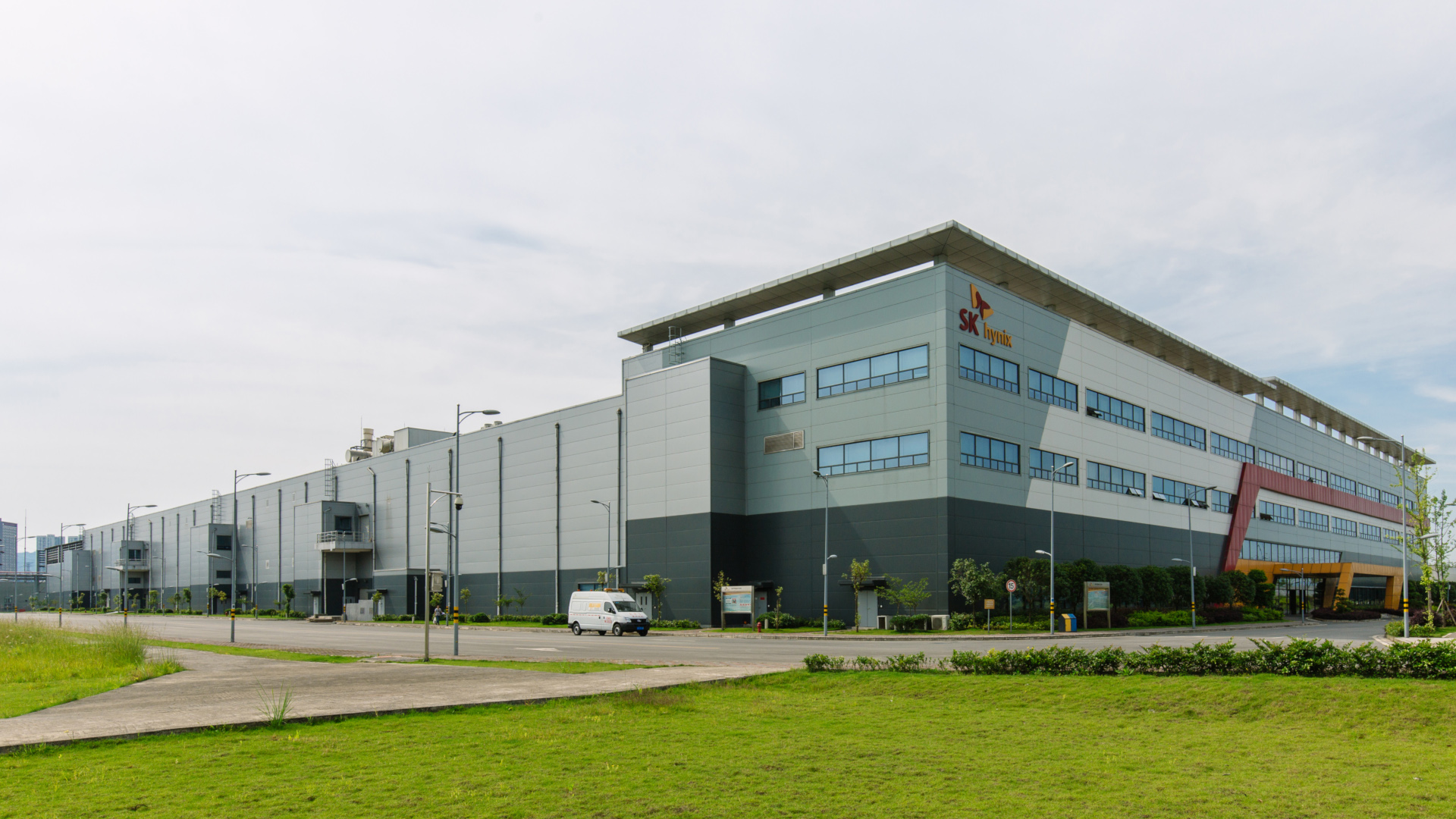
The factories prioritizing HBM over consumer DDR5
(Source: PC Gamer)
Real Videos Explaining the Crisis
- 2026 RAM & Storage Prices – What to Expect
- Real Reason RAM Prices Are Skyrocketing (and Getting Worse)
Key Articles & Sources
- CNBC: AI memory sold out, unprecedented surge
- Ars Technica: High RAM prices mean record profits
- Tom's Hardware: RAM pricing crisis has only just started
- BBC: Why gadgets may get pricier in 2026
- Wikipedia: 2024–2026 global memory supply shortage
Pros & Cons of the Situation
| Pros (Mostly for Industry) | Cons (For Consumers) |
|---|---|
| Record profits funding new tech/fabs | Sky-high prices delaying upgrades/builds |
| Pushing innovation in memory tech | Reduced specs in phones/laptops |
| Long-term capacity expansion planned | Frustration and stalled PC market growth |
Future Outlook & Advice
Analysts predict:
- Prices peak mid-2026, possible stabilization late 2026.
- Real normalization 2027–2028 with new production.
- HBM demand continues growing.
What should you do?
- If building soon: Buy DDR5 now before further hikes, or stick with DDR4 (AM4/AM5 still supports it).
- Stock up if you can afford—prices unlikely to drop soon.
- Consider used/refurb or lower-capacity kits.
- For laptops: Buy high-RAM models now.
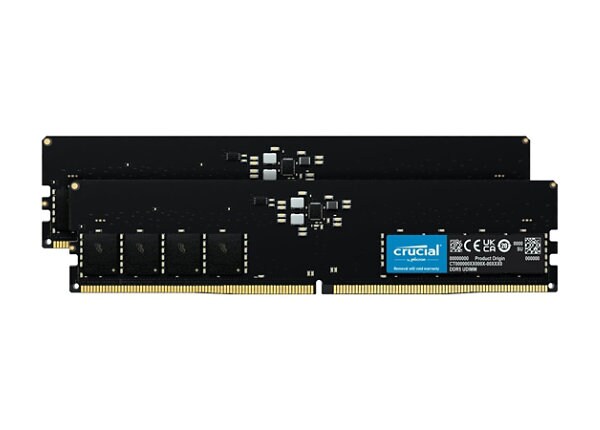
The new reality: Even basic DDR5 feels premium in 2026
The 2026 RAM crisis is a direct fallout of the AI revolution. While it’s great for memory makers and AI progress, it’s painful for everyday consumers and builders. Stay informed—prices change weekly!