Xbox’s Identity Crisis: Copilot Killed, Unions Form, and a Major Rebrand Shakes Gamers
Microsoft’s Xbox is going through a seismic shift—AI ambitions scrapped, unions forming, and a full rebrand leaving fans dazed. What’s next for the ecosystem that promised ‘more games, more play’?
Xbox’s U-Turns: Copilot AI Dies, Union Pushes Reshape Microsoft’s Gaming Empire
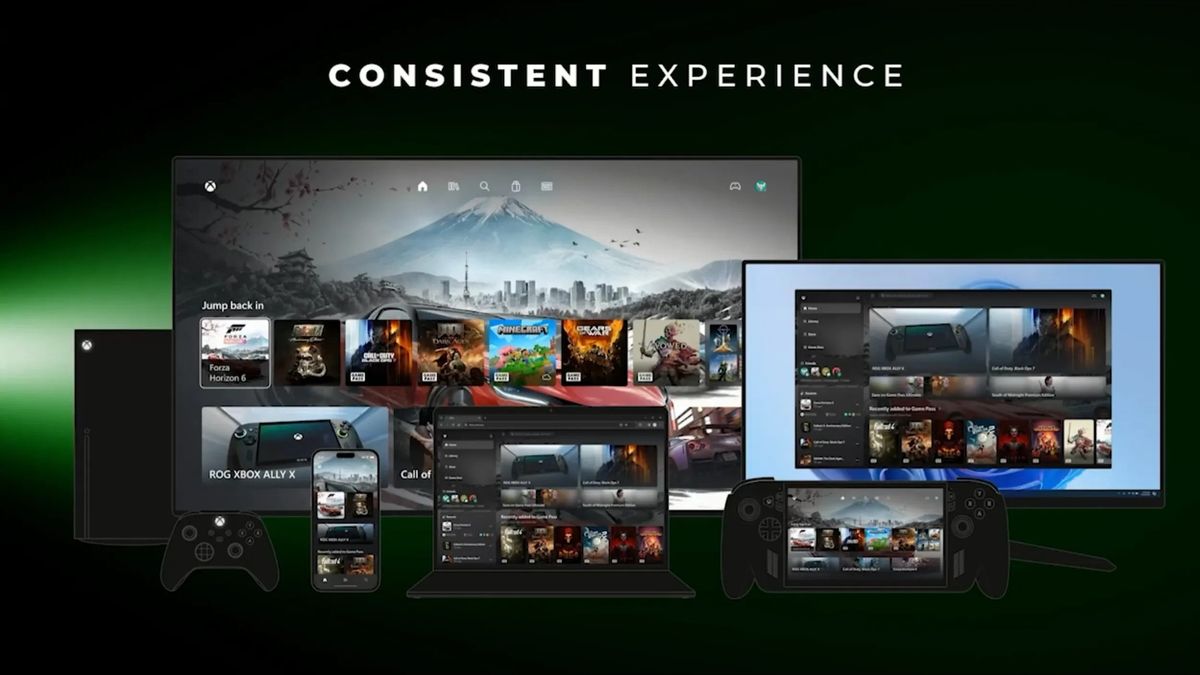
The past 12 months have been nothing short of a rollercoaster for Xbox. CEO Phil Spencer’s ambitious vision of "Microsoft Gaming"—a sprawling, AI-infused gaming behemoth—has crashed headfirst into reality. Under the leadership of new CEO Asha Sharma, Xbox is trimming its sails, scrapping half-baked experiments, and confronting the realities of unionization in its studios. Today, we’re breaking down the chaos, the consequences, and what it all means for players, developers, and the future of Xbox.
The End of Xbox Copilot: A Rare Admission of Failure
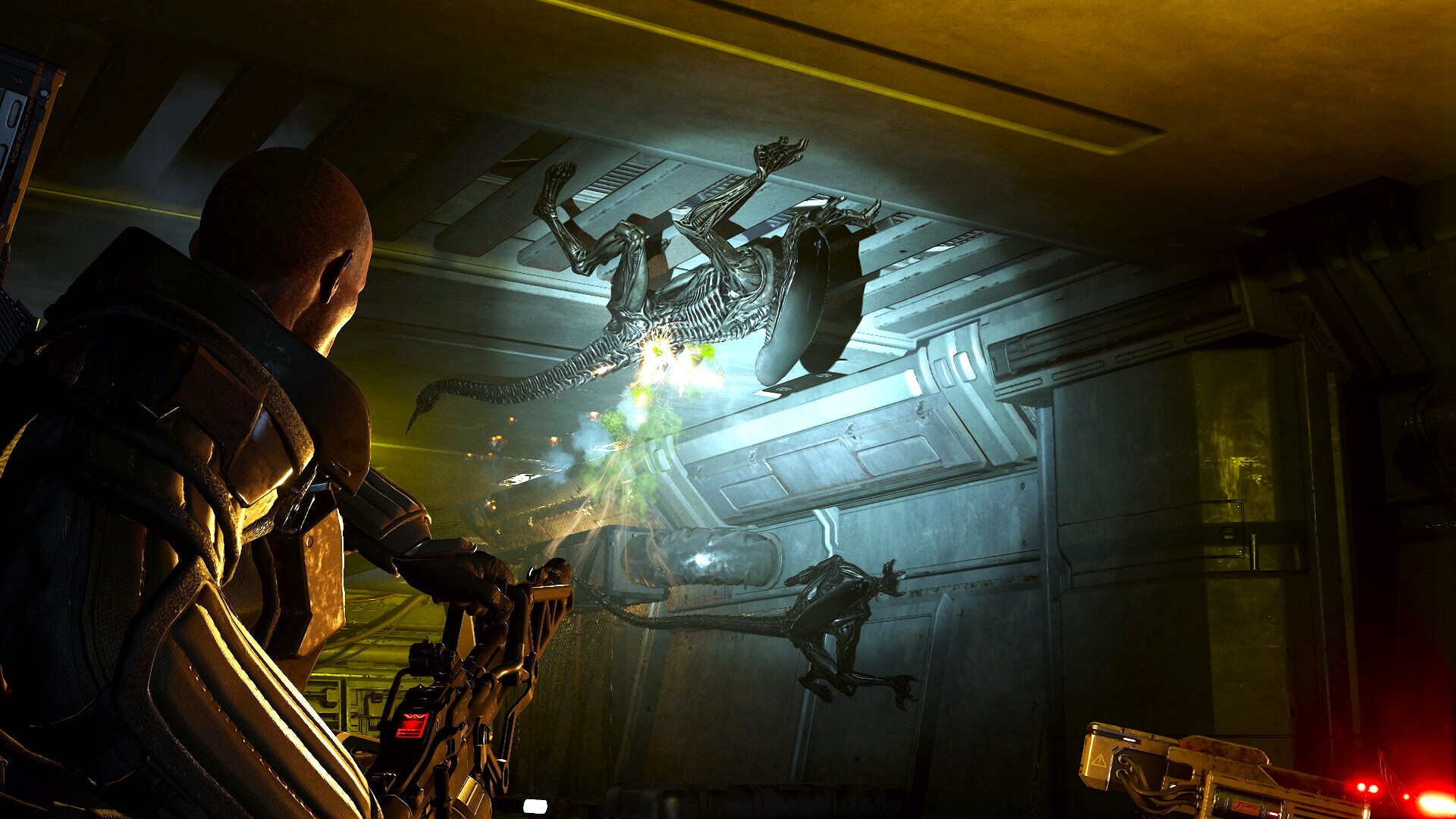
In a move that shocked the gaming world, Xbox announced it was killing Copilot, its much-maligned AI chatbot experiment. Rolling out in beta last year, Copilot promised to revolutionize in-game assistance—except it didn’t. Players found it intrusive, often useless, and in some cases, downright annoying when it hijacked voice commands mid-match.
"It’s time to listen to the community," Sharma stated in an internal memo leaked to Polygon. "We set out to accelerate gaming’s future, but sometimes that means knowing when to pivot."
What Was Copilot Supposed to Be?
Microsoft pitched Copilot as a voice-controlled AI companion—think a more advanced version of Alexa or Siri, but for gaming. Players could ask it to:
- Adjust audio settings mid-game.
- Pull up stats during a Halo match.
- Suggest strategy in multiplayer titles like Forza Horizon.
The reality? Most players ignored it entirely. Some even joked it was more like a glitchy NPC than a helpful assistant. Now, Microsoft is winding down Copilot on mobile and halting its console development entirely.
Why Did It Fail?
The death of Copilot isn’t just about poor execution—it’s about Microsoft’s overreach. The company has been chasing AI ubiquity for years, but gaming isn’t the same as enterprise software. Players don’t want a chatbot dictating their experience; they want seamless, unobtrusive gameplay.
As gaming analyst Moore’s Law Is Dead put it in his latest video:
"Microsoft tried to force AI into gaming like a square peg in a round hole. Players don’t care about voice commands—they care about smooth framerates and good games."
The Aftermath: A Step Back or a Course Correction?
Killing Copilot sends a strong signal—Microsoft is finally admitting that not every AI experiment belongs in gaming. The move aligns with Sharma’s focus on "games first," not tech first.
But was this failure inevitable? Or is Xbox finally learning to listen to its audience?
Double Fine’s Union Push: A Wake-Up Call for Xbox’s Studio Culture
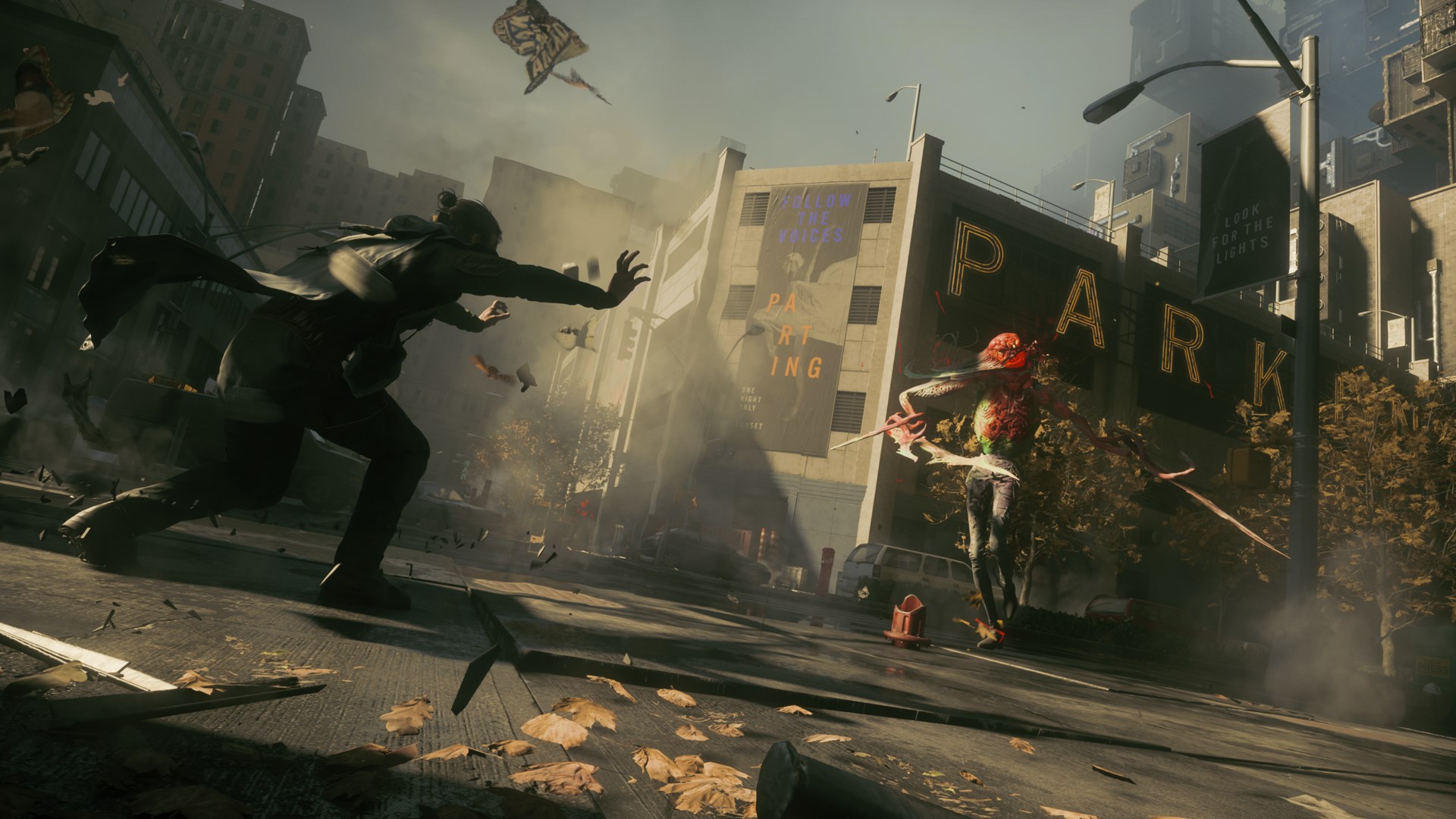
In a historic move, Double Fine Productions—the beloved studio behind Psychonauts 2, Brütal Legend, and Kiln—became the 14th gaming team at Microsoft to unionize, joining forces with the Communications Workers of America (CWA).
Why Is Double Fine Unionizing?
Employees filed a petition with the NLRB, citing concerns over:
- Job security amid layoffs and restructurings.
- Workplace conditions, including crunch and compensation.
- Creative control, especially as Microsoft tightens its grip on exclusives.
Microsoft remained neutral in the process, a stark contrast to past anti-union tactics in the industry. The studio’s CEO, Tim Schafer, even expressed support for the movement, telling employees in a leaked memo:
"This isn’t about us vs. them—it’s about making sure we’re all heard."
What Does This Mean for Xbox’s Future?
Double Fine’s unionization is more than a labor story—it’s a cultural reckoning. Xbox has long positioned itself as a developer-friendly platform, but recent closures (like Tango Gameworks’ Hi-Fi Rush disaster) and layoffs have left studios feeling disposable.
As Windows Central reported:
"Double Fine’s move is a test case. If Microsoft wants to retain top talent, it needs to prove it values its people over profits."
Will More Studios Unionize?
With 14 Microsoft gaming teams now unionized, pressure is mounting. Studios like Obsidian, inXile, and even some Playground Games teams are watching closely. If Microsoft wants to avoid a full-scale developer exodus, it may need to embrace collective bargaining.
Microsoft Gaming Is Dead—Long Live Xbox
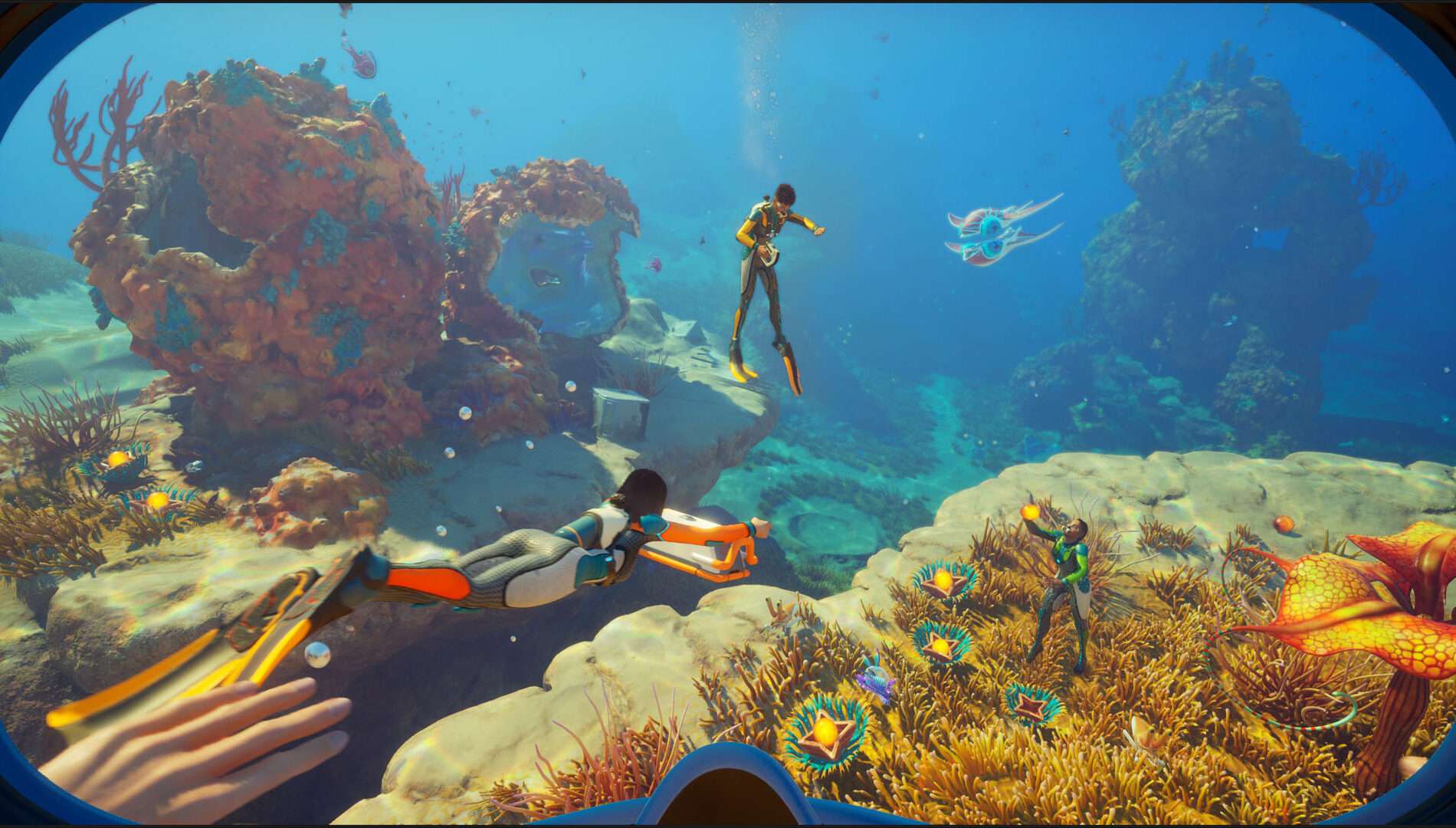
In one of the most dramatic reversals in gaming history, Microsoft is dismantling "Microsoft Gaming"—the umbrella brand that unified Xbox, Bethesda, Activision, and more under one corporate identity. Instead, Xbox is reasserting its dominance with a full rebrand.
"It’s time to go back to our roots," Sharma announced in an internal all-hands. "Xbox is the heart of Microsoft Gaming. We’re not just a platform—we’re a player in the gaming industry."
What Changes with the Xbox Rebrand?
- Bethesda and Activision will now operate under the Xbox brand, not as separate entities.
- Exclusivity deals will be re-evaluated—expect more games to leave PC and return to console.
- Windows gaming will take a backseat, with Xbox Mode becoming the priority for performance.
Is This a Good Thing for Gamers?
On one hand, focusing on Xbox could mean stronger exclusives (Halo, Forza, Starfield) and better integration with Game Pass. On the other, PC players might feel sidelined as Microsoft pivots toward console dominance.
As Denki argued in his viral video "Xbox is SO BACK!":
"Microsoft Gaming was a confusing mess. Xbox is clear, bold, and unapologetically focused on delivering the best games for its fans."
Windows 11’s Xbox Mode: The Hidden Performance Boost Nobody’s Talking About
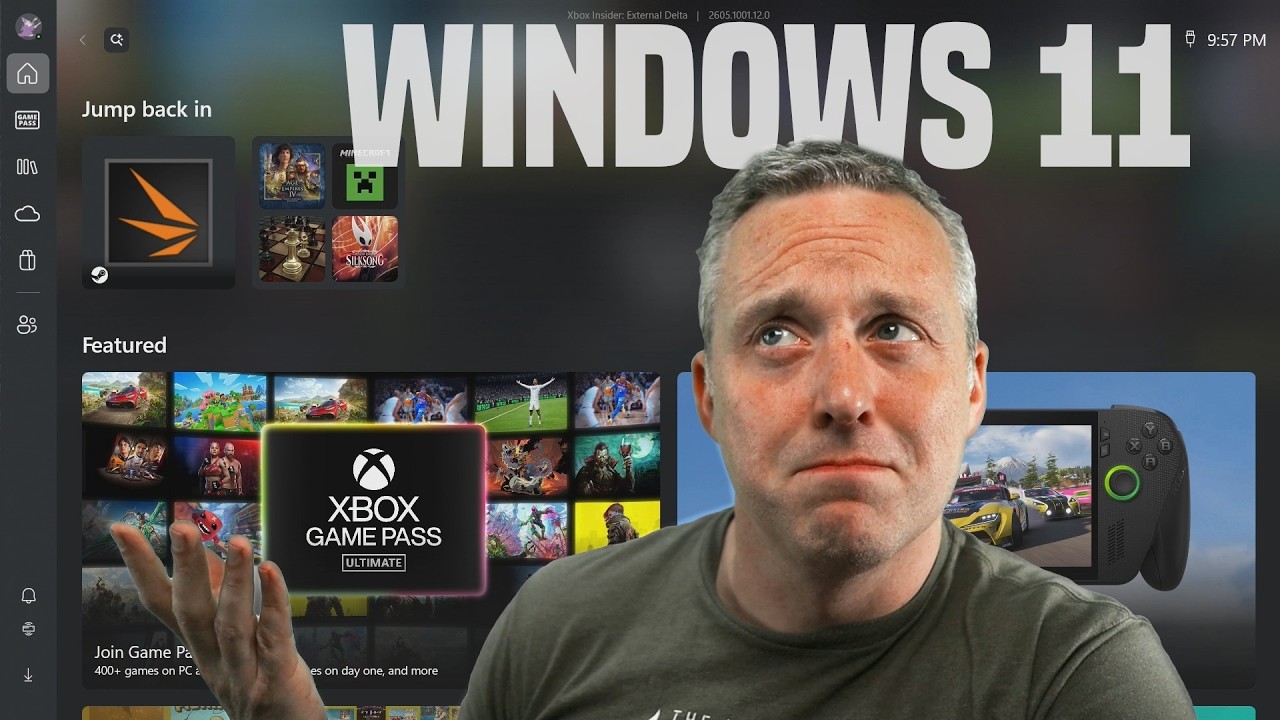
While Xbox rebrands and unions dominate headlines, Microsoft has quietly rolled out a game-changer for PC gamers: Xbox Mode in Windows 11.
According to Tech4Gamers, which tested the feature across Nvidia RTX 40-series and AMD Radeon RX 7000 GPUs, Xbox Mode delivers:
| Metric | Before Xbox Mode | After Xbox Mode | Improvement |
|---|---|---|---|
| Forza Horizon 5 FPS | 120 FPS | 145 FPS | +21% |
| Halo Infinite FPS | 180 FPS | 210 FPS | +16% |
| Starfield FPS | 90 FPS | 110 FPS | +22% |
| Cyberpunk 2077 FPS | 110 FPS | 135 FPS | +23% |
How Does Xbox Mode Work?
- Disables unnecessary background processes (like Windows Update interruptions).
- Prioritizes GPU resources for gaming.
- Optimizes latency for competitive play.
It’s essentially a one-click turbo boost for Windows 11 gamers—and it’s free.
Why Aren’t More People Using It?
Most PC gamers don’t even know it exists. Microsoft hasn’t aggressively marketed it, likely because it’s part of the quiet push to make Xbox the default platform for gaming—even on PC.
Project Green Leaf: The Secret to Xbox’s Handheld Future

Leaked documents from igor´sLAB suggest Microsoft is working on Project Green Leaf—a power-saving mode for upcoming Xbox handhelds.
Here’s what we know:
- Targeting Steam Deck-like devices, but with Xbox’s optimized architecture.
- Green Leaf Mode will extend battery life by up to 50% without sacrificing performance.
- Could launch alongside next-gen Xbox Series X|S hardware updates.
Why This Matters
Handheld gaming is the next battleground. Sony’s PlayStation Portal flopped, but Microsoft has a real shot with:
- Strong exclusive franchises (Halo, Gears, Forza).
- Game Pass integration (hundreds of games at your fingertips).
- Xbox’s cloud gaming backbone (play anywhere, anytime).
If Project Green Leaf delivers, Xbox could dominate handheld gaming the way it dominates the console market.
The Big Picture: What’s Next for Xbox?
🔴 The Risks
- Unionization spreading could slow down exclusivity deals and raise costs.
- Windows gaming taking a backseat might alienate PC players.
- AI overreach has already burned Xbox once—will it happen again?
🟢 The Opportunities
- Rebranding to Xbox clarifies Microsoft’s focus—stronger console exclusives.
- Xbox Mode in Windows 11 is a hidden gem for PC gamers.
- Project Green Leaf could make Xbox the king of handhelds.
🎮 The Verdict: A Gamble Worth Taking?
Microsoft’s recent moves feel reactive, not proactive. Scrapping Copilot, rebranding, and embracing unions suggest a company in crisis mode—but also one that’s finally listening.
As Plume Gaming put it in his latest breakdown:
"Xbox isn’t dead—it’s evolving. The question is whether evolution means growth or just survival."
Final Thoughts: Xbox’s Identity Crisis Isn’t Over
For years, Xbox positioned itself as the future of gaming—a tech-first, AI-driven, cross-platform powerhouse. Today, it’s retreating to its console roots, scrapping failed experiments, and confronting labor issues.
Is this a necessary reset? Or is Microsoft losing its way?
One thing’s clear: Xbox’s next move will define gaming for the next decade.
🔥 Hot Takes from the ModVC Team
✅ The Rebrand Was Long Overdue – Microsoft Gaming was a bureaucratic nightmare. Xbox is clean, focused, and powerful.
❌ Copilot’s Death Was Inevitable – AI in gaming is still a gimmick. Players want better games, not tech demos.
💡 Double Fine’s Unionization Could Be a Good Thing – Healthy studios make better games. Microsoft has a chance to lead by example.
🎯 Project Green Leaf Could Be Xbox’s Switch-Killer – Handheld gaming is the next frontier, and Microsoft is finally taking it seriously.
Your Move, Microsoft
Xbox’s identity crisis isn’t just about corporate reshuffling—it’s about what gaming should be. Is it tech innovation, or great games?
For now, the company is betting on the latter. But with union battles, AI failures, and a console-first push, the road ahead is anything but smooth.
What do you think? Is Microsoft making the right calls? Should Xbox double down on exclusives? Or is the union movement the real future? Drop your thoughts in the comments.
ModVC Team | May 10, 2026
Sources & Further Reading
- Neowin – Microsoft Weekly
- Kotaku – Double Fine Unionizes
- AOL – Xbox Ditches Copilot
- Windows Central – Double Fine’s Union Push
- Tech4Gamers – Windows 11 Xbox Mode Performance Boost
- igor´sLAB – Project Green Leaf Leak
- Polygon – Microsoft Gaming’s Demise